Let’s read THE GRAMOPHONE in Iceland: No. 3 — August 1923

1 (14)
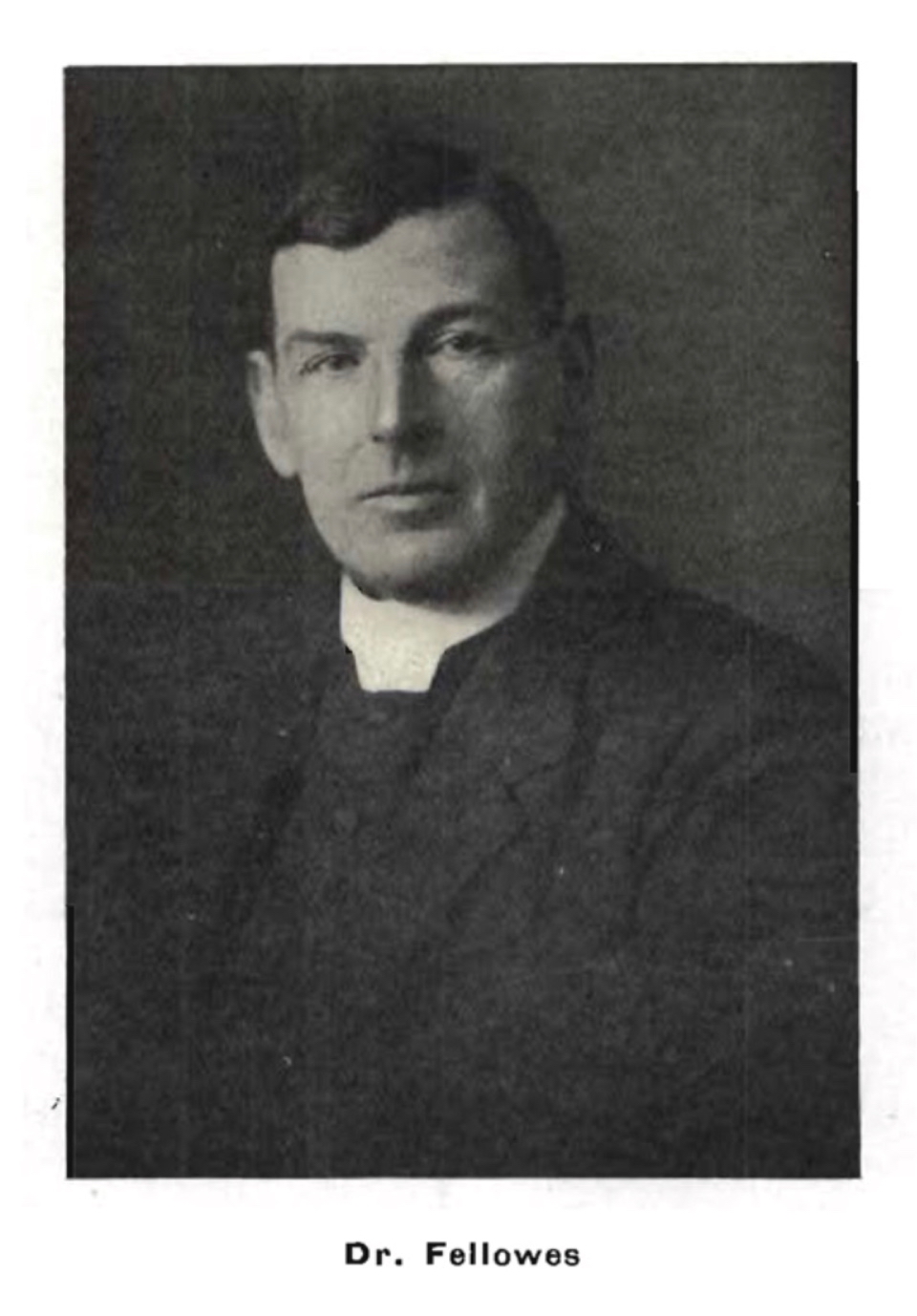
The only picture in this issue is of the author of the article on Byrd on the 300th anniversary of his death, the Reverend Doctor Fellowes. Unfortunately many of these early issues are minus the advertisement pages, which I would love to see included for every issue. Fortunately this will change with later issues.

SEPTEMBER 24th 2018 — The third issue of THE GRAMOPHONE bears the cover date August 1923.

Reverend Edmund H. Fellowes, Doctor of Music, contributes a one-page article on English Renaissance composer William Byrd to mark the 300th anniversary of his death. This was a time when music from times this far in the past was only starting to be recorded, and its admirers therefore treasured every new release.

Few of these early recordings of Byrd are on Spotify, but four that are are mentioned in the reviews section. All played on the harpsichord by Violet Gordon-Woodhouse:

  • “ROWLAND OR LORD WILLOBIE’S WELCOME HOME”, FVB. 160.
  • “THE QUEENE’S ALMAN”, FVB. 171.
  • “GALIARDA”, FVB. 255.
  • “EARLE OF OXFORD’S MARCHE”, FVB. 259.

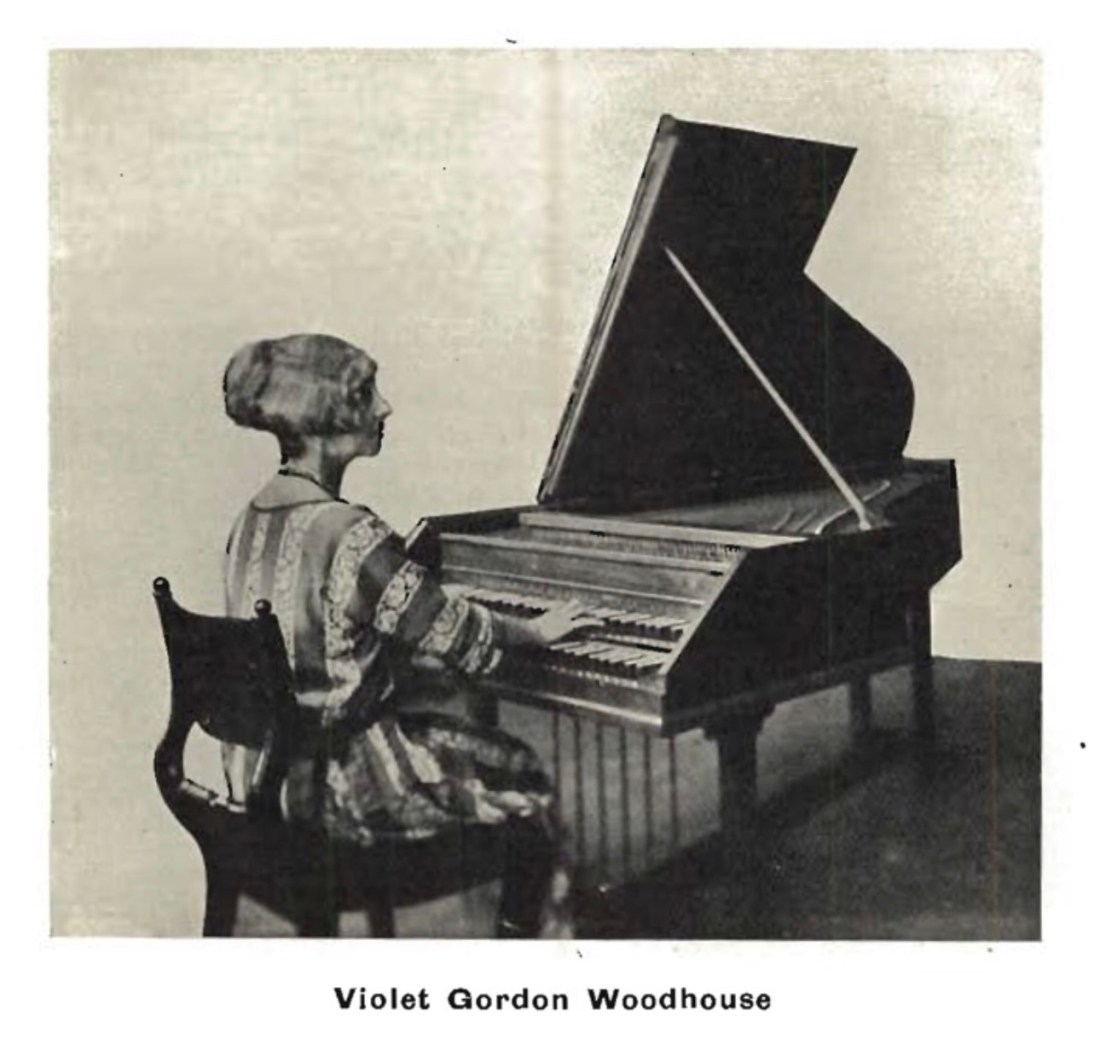
See this earlier post in this “Let’s read” series for a photo of Ms. Gordon-Woodhouse. She did a lot to increase the popularity of the harpsichord and awareness of its importance in the history of music.

I have to mention one more Byrd song cited in this issue, though the recording is not on Spotify, because it has such a great title: “WHY DO I USE MY PAPER, INK, AND PEN?” Most great composers also had great senses of humor. Bach composed a COFFEE CANTATA.

An aside: These back issues of nearly a century ago (at the time of writing this) are treasures. But they are also relics. For example, the N word appears in this issue.

As someone with an academic background (the unwelcome effects of which I have long worked to shed), I am personally not shocked by such things — because anyone who has done any reading of old texts has seen this type of language in old texts all too often. But it is good to realize times have changed since then.

That said, I assume an intelligent readership, so I won’t be climbing on any soapboxes or wasting space commenting further on matters like this. But I did not want to sweep this under the carpet.

Francis Brett Young in an article called “At Random”:

“A little time since, I was asked to contribute to a symposium on a question raised in America […]: whether the cinematograph had not rendered the novel superfluous. The question seemed to me a silly one, for it disregarded one of the fundamental functions of the novelist, which is the achievement of verbal beauty, with all its suggestions, in prose.”

“Z.” rues the loss of a record:

“I only had an opportunity of playing the last-mentioned record once, when the interpretation made a great impression on me, and I am sorry to say that the disc has disappeared from my review shelves. Perhaps my colleague, Mr. J. Caskett, was so much pleased with it that he has literally devoured it, or it may be that he sat on it by accident and buried the fragments in the garden without daring to confess his crime.”

I miss this kind of relaxed, conversational style in publications like THE GRAMOPHONE (these days minus the definite article). Also, digital music — much as I deeply appreciate it and its availability — means no such anecdotes or musings could come about anymore, except with the hardy souls who never abandoned physical media.

Another flight of fancy from “Z.”:

“Much is lost if they are not played with the loudest needle, and although the scratch is not unduly in evidence, so exquisite is this music that I have never felt such bitterness against chemists for not being able to do what they ought to be able to do. If I were a despot, I would summon before me the leading chemists of the day; I would immure them in a completely equipped laboratory, and I would give them two years to eliminate the scratch from gramophone records. The penalty for failure should be imprisonment for the term of their life in a cell lit by acetylene gas and covered with encaustic tiles. Here they should spend the rest of their unnatural lives, listening day and night to the strains of a cheap gramophone playing on a scratchy record ‘I’M FOR EVER BLOWING BUBBLES’. Their food should be sent in to them from the Eustace Miles restaurant in Chandos Street; their lightest reading should be Freud, Jung, and Ernest Jones; and doubtless, if I really were a despot, I should be able to devise all sorts of additional horrors, which in my present state of limited power I have neither space nor time to enumerate.”

He did well enough already. Eccentric digressions like this in these vintage issues often make me smile. They are very human, and more of human life and of humanity comes through when writers are allowed real freedom of thought and expression, and the luxury of enough space. Something has been lost since these days, at least when it comes to most music journalism.

Less charmingly, “Z.” strays from the eccentric to the crude with this:

“Not that I crave to hear the words of what is one of the most tiresome songs ever written, and one that by some curious misfortune of mine second-rate sopranos always choose to sing whenever I go to a concert in Italy. I nearly committed sopranocidio by throwing a lemon squash at the last woman I heard sing it.”

Hardly gracious or gentlemanly.

So while I admire some aspects of these older approaches to music journalism, things like this occasionally cool these warm feelings.

Back along more amusing lines, “Z.” again of a record:

“I thought that it was a really good record; but, alas, with each succeeding performance it becomes more tinny, and if I play it much more I shall be able to preserve tomatoes in it.”

Frank Swinnerton comments on the limitations of the day’s recording technology:

“The gramophone cannot yet reproduce the letter ‘S’. It cannot yet render satisfactorily the full volume of an orchestra or the pure tone of the pianoforte. Always the orchestra has a tinny vibration — a dwarfing of the original; nearly always the piano has many notes — particularly loud notes — resembling the banjo. Pang, pang, pang… Strings are still the most satisfactory instruments for mechanical reproduction.”

A recording already mentioned in this “Let’s read” series and available on Spotify:

  • Norman Allin singing Albert Ketèlbey’s Shakespeare setting “BLOW, BLOW, THOU WINTER WIND”. “Z.” says it “can be used for frightening cats.” I like this composer’s orchestral pieces more, though.

In the “Gramophone Societies’ Reports” (yes, people used to gather together to listen to music on the gramophone), Ernest Baker of The South-East London (Recorded) Music Society comments on Wagner’s music:

“It covers the whole gamut of musical emotion; it has such amazing descriptive power and is so full of pure musical beauties. We have the music of the sea, of fire, the air, love, life, and death — all painted by a master-hand upon an immense canvas.”

All this reminds me of Iceland as well.

An article called “A Decca Romance” tells the story of a portable Decca gramophone that a British battalion hauled around in “a large clothes basket” in World War I. Everyone brought back records when on leave, in England or Paris, for example, and records were also ordered by post.

“Strange homes that old Decca has had, up and down the villages of France, in ruined houses, in huts, in tents, in transport lines.”

After the war was over:

“It was put up for a raffle in the village, and no less a sum than five pounds was raised for the Benevolent Fund of the battalion’s Old Comrades’ Association, while the man who won it for one shilling is not grumbling at his bargain. Long may it flourish in its new home!”

Wagner pieces or extracts mentioned in this issue with some relevance to Icelandic sagas (though none of the recordings mentioned is on Spotify), cited again here for their evocative titles (Wotan = Óðinn / Odin):

SIEGFRIED

“Forest Murmurs”

“Forging Songs” / “Siegfried Forges the Broken Sword”

“Mime’s Treachery to Siegfried”

“Siegfried Follows the Forest Bird”

“Brünnhilde Hails the Radiant Sun”

“Brünnhilde Recalls Her Valkyrie Days”

“Introduction: Wotan Invokes Erda”

“Siegfried’s Ascent to the Valkyrie Rock”

“Brünnhilde Yields to Siegfried”

Plus the related composition, not part of the opera:

SIEGFRIED IDYLL


GÖTTERDÄMMERUNG (TWILIGHT OF THE GODS)

“The Parting of Brünnhilde and Siegfried”

“Hagen Meditates Revenge”

“Gunther and Gutrune Welcome Siegfried”

“Prelude: The Rhinemaidens Scene”

“Brünnhilde Kindles the Funeral Pyre”


Spotify playlist for this entry, “Let’s read THE GRAMOPHONE in Iceland: No. 3 — August 1923”:

This issue is available as part of the magazine’s digital archive, which every subscriber (a month or a year, digital or print+digital) gets access to.

Earlier entries in this series:

Let’s read THE GRAMOPHONE in Iceland: No. 2 — June 1923

Let’s read THE GRAMOPHONE in Iceland: No. 1 — April 1923

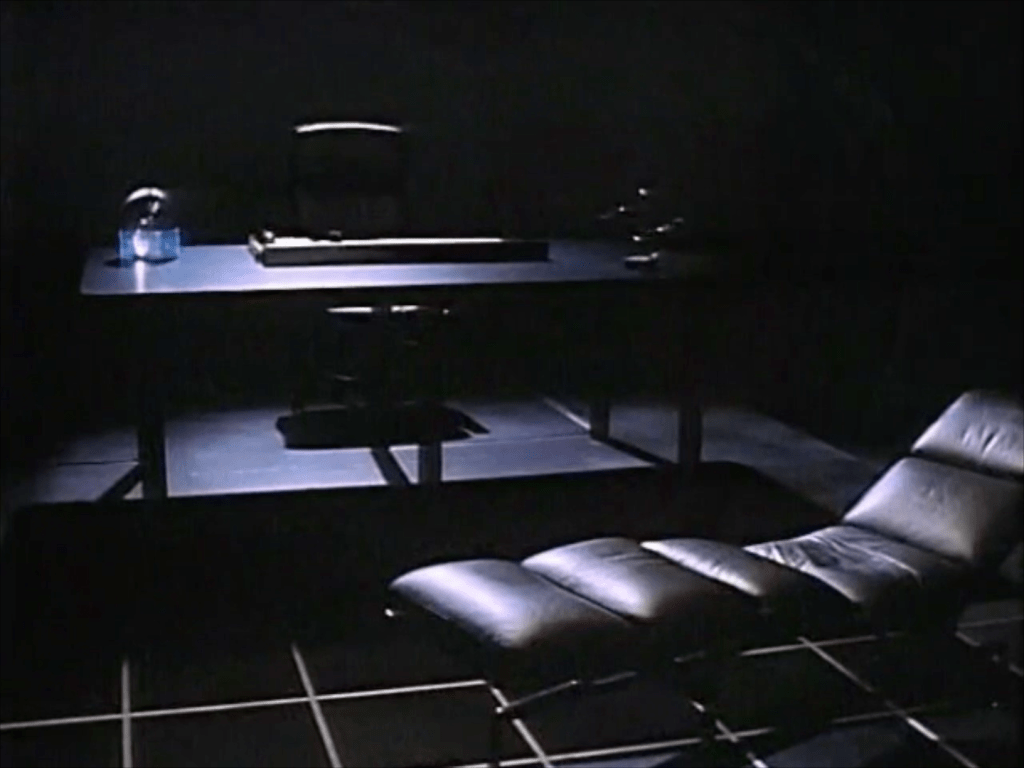
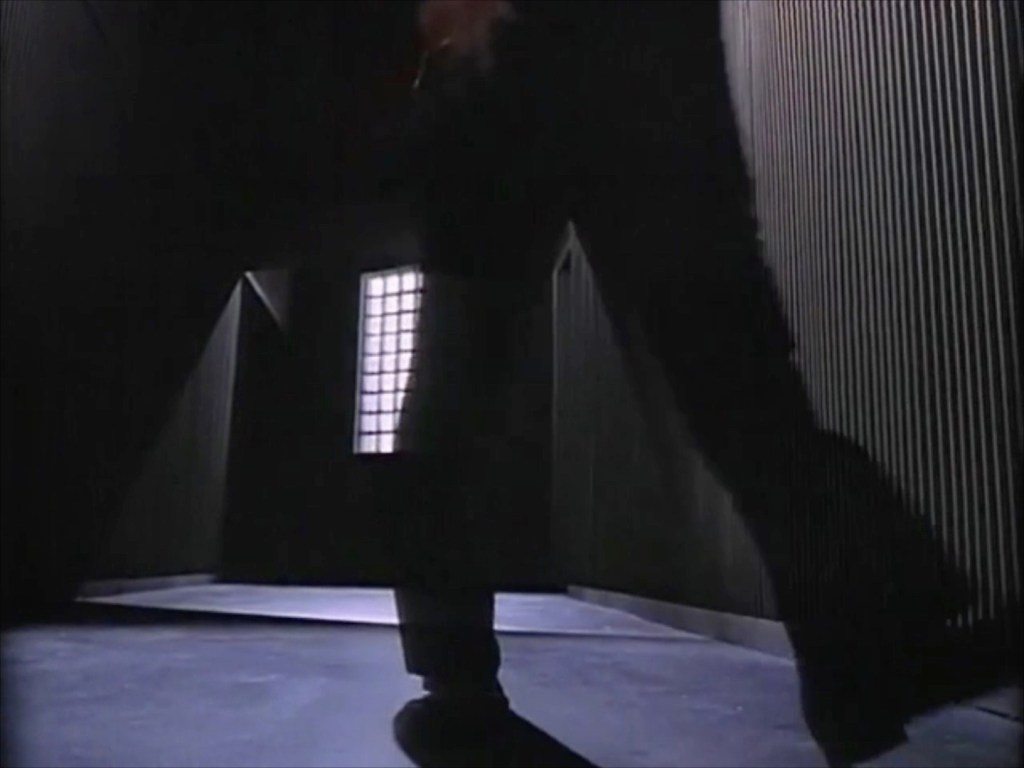
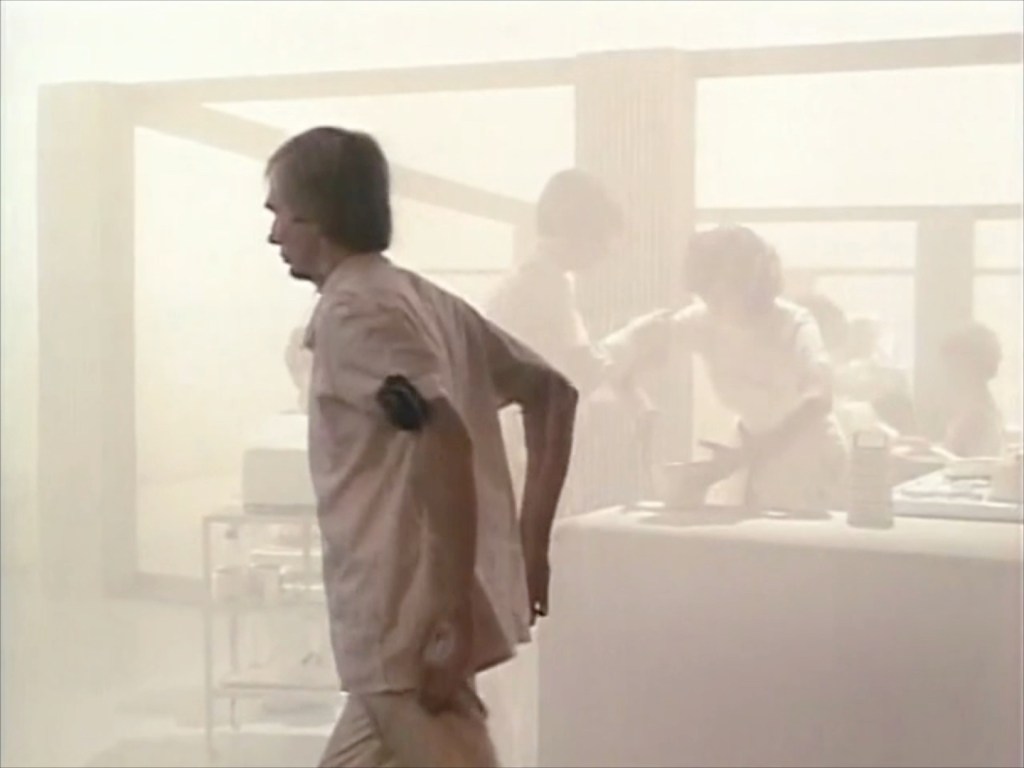
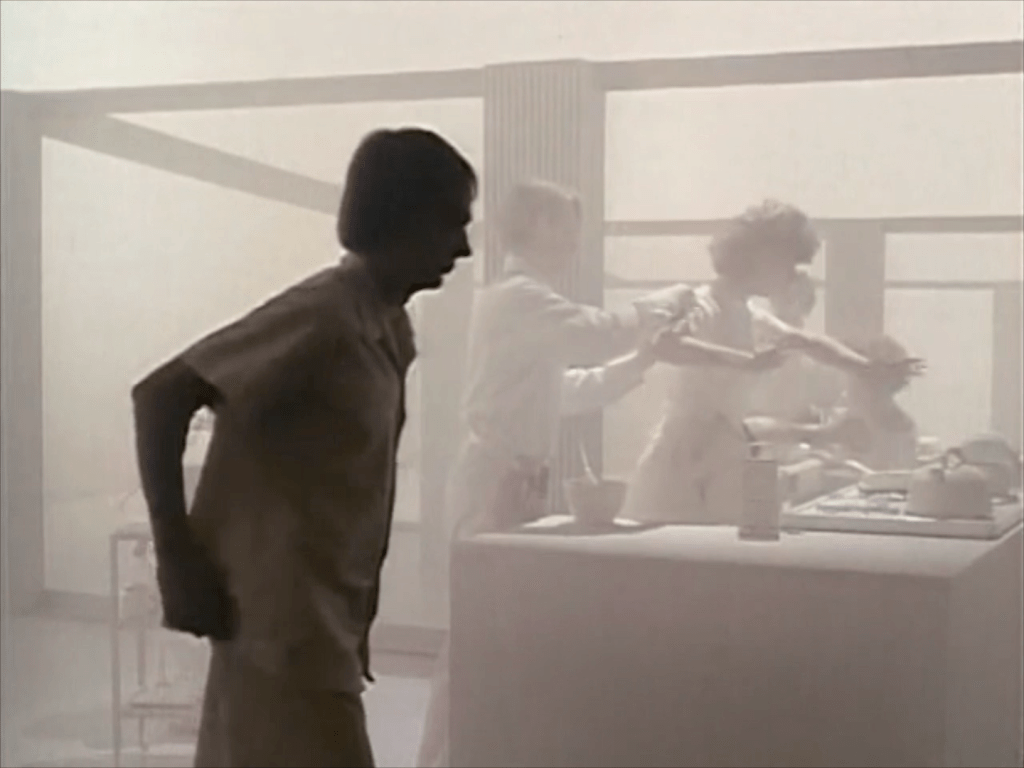
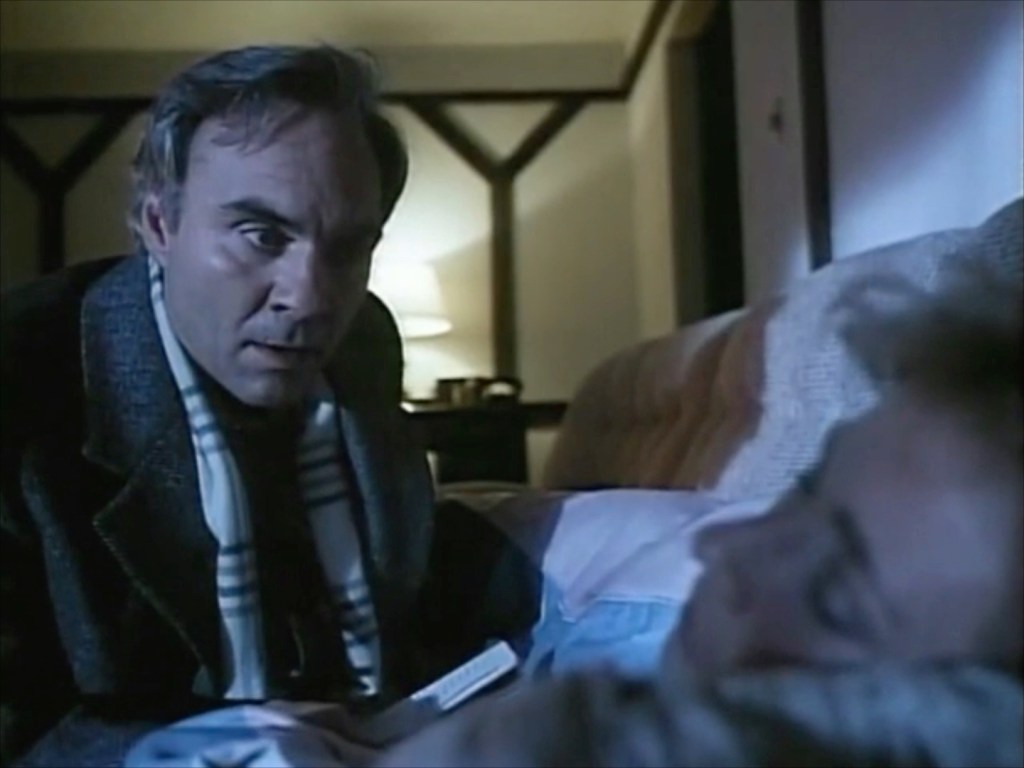
Let’s watch THE RAY BRADBURY THEATER in Iceland: 1.01: “Marionettes, Inc.”

2
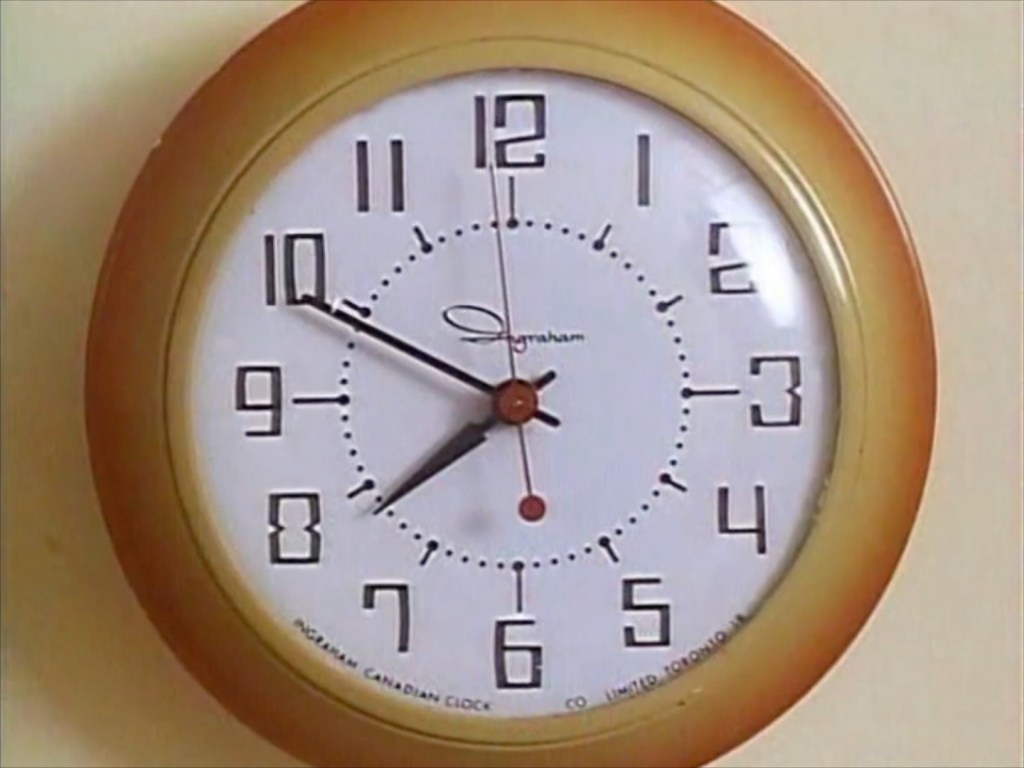
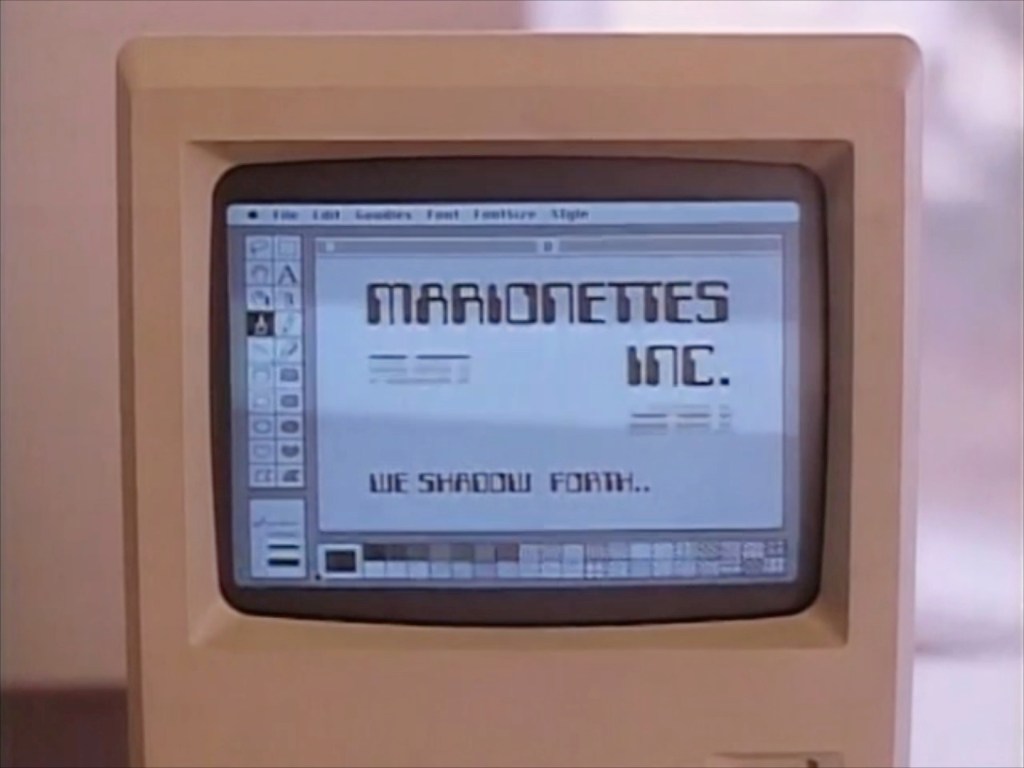
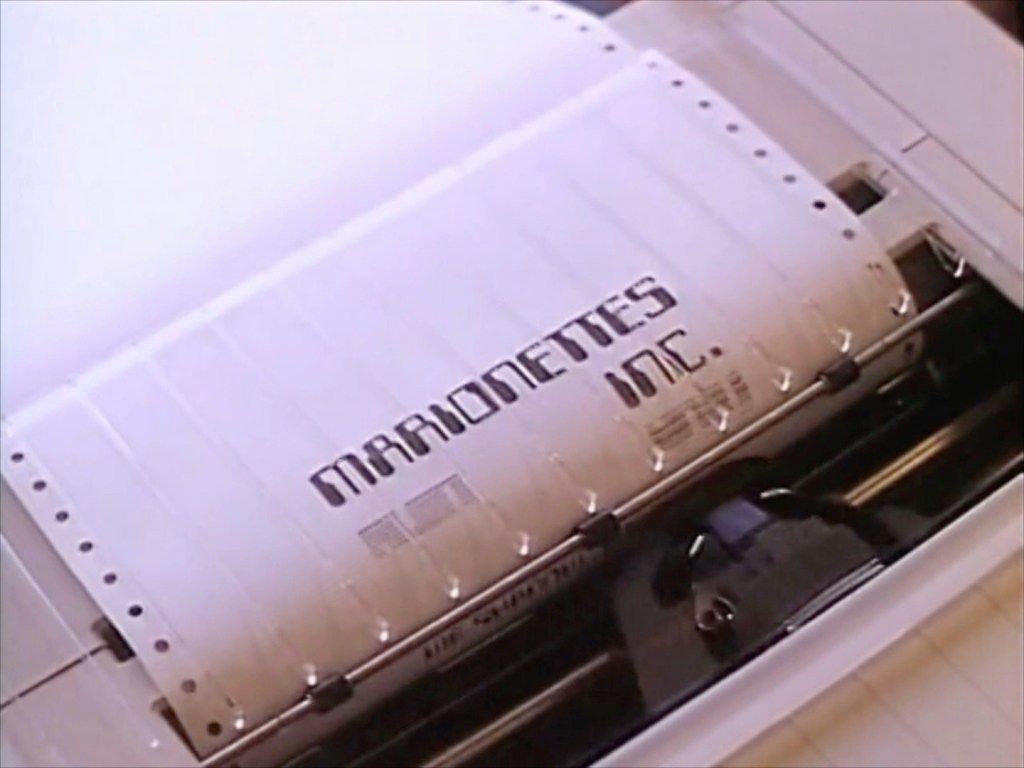
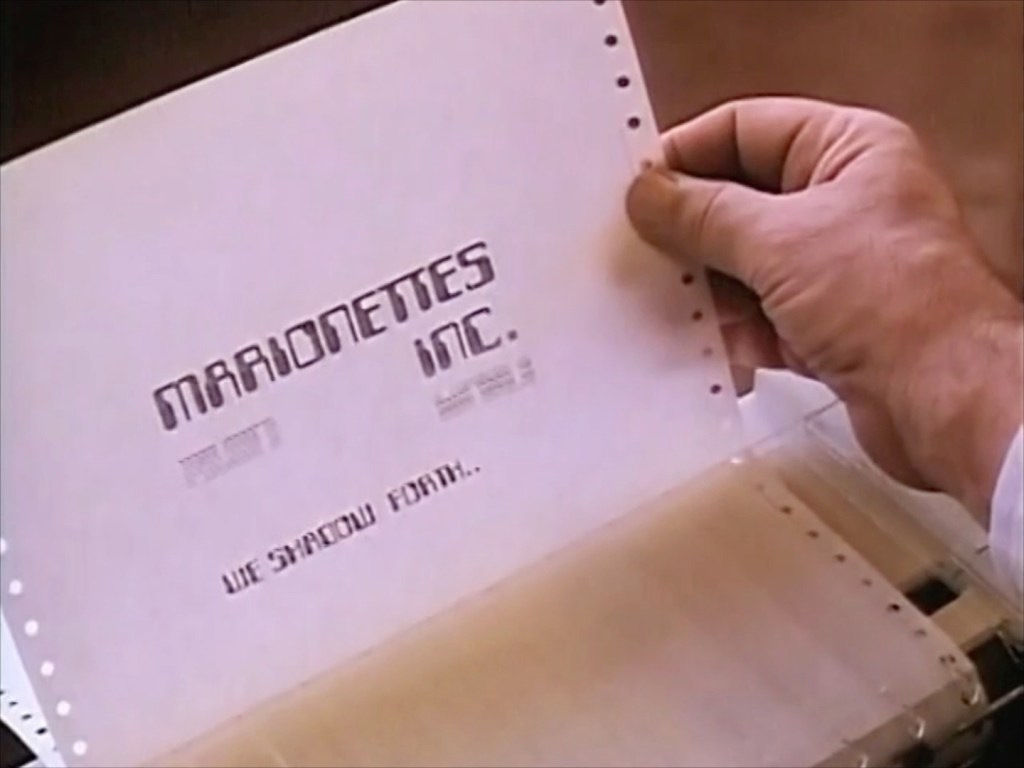
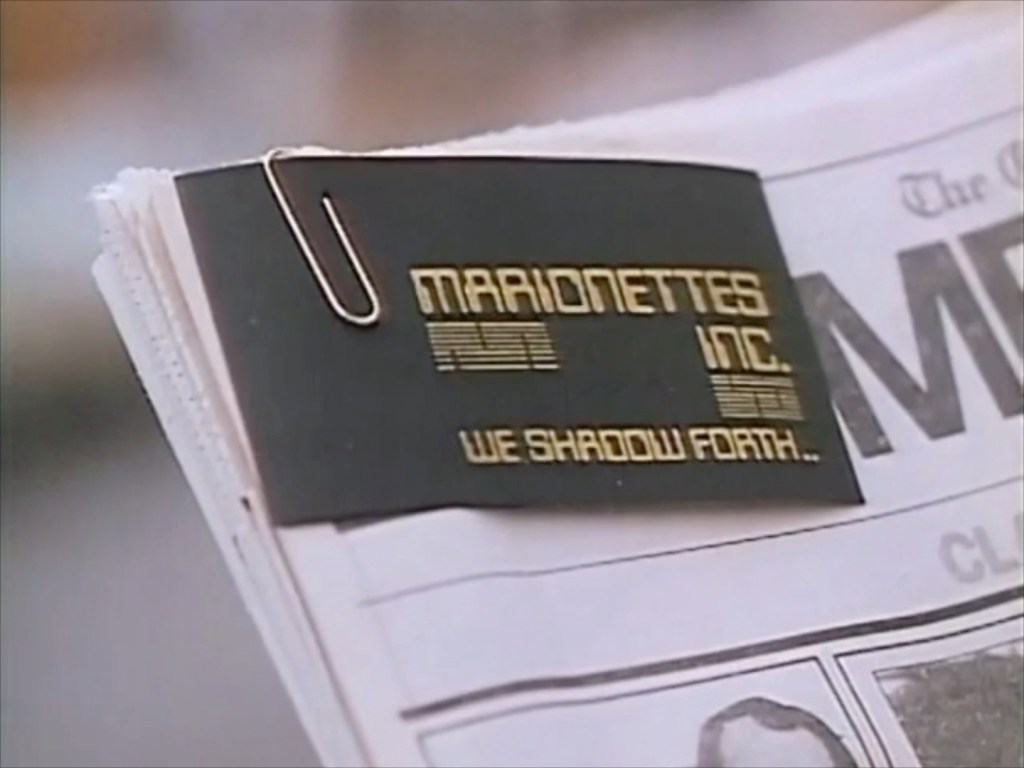
Title card with appropriate “digital clock” typeface.

SEPTEMBER 20th 2018 — Ray Bradbury loved cinema and cinematic storytelling all his life.

From trips to the movies with a beloved family member when he was a boy, he fell in love with the form and it never ended.

Two characteristics permeate all his writing: all of it is lyrical — he had the soul of a poet and that’s why he’s one of my favorite writers — and much of it is powerfully sensual. It engages all the senses.

He said one could film any of his stories by simply turning each sentence or paragraph into a shot. All the information was there, he said, in his writing: what to show and when and how.

From 1985 to 1992 the world enjoyed his TV series THE RAY BRADBURY THEATER. It was filmed on location in many countries: Canada, the United States, New Zealand, and France.

Ray personally scripted every episode and proved his profound and natural understanding of how to tell a story in this form. His work for the series is a model of what to do and not do in scripting film and television.

(I prefer saying just “film” from now on. These are mini-movies in all but name.)

Scenes are allowed to unfold without drowning everything under too much dialogue. Just enough is said and not said. Sights, sounds, and yes, through the power of his work and that of his collaborators, also smells, tastes, and tactile experiences come through.

Iceland is to me Bradbury country and more like the remembered land of my childhood than anywhere else I have been as an adult. Magic is still possible here. The elements have power, like in his stories. The wind has a presence unlike anywhere else. There is the sea, there are mountains and waterfalls, and dark nights and summer cottages in pristine nature.

Stories live here and are respected. As is poetry. As is music. I write this in a snug bedroom with a great big bed and a slanting ceiling of the kind that through some geometrical alchemy seems to fire the imaginations of all creative people. I wish more than anything that I could really share all this.

In any case, Iceland is a great place to watch THE RAY BRADBURY THEATER. I also did so in Paris last winter, and before that in Finland. As an adult, and long ago, first in childhood.

“Marionettes, Inc.” (1985), directed by Paul Lynch (who also directed many episodes of the STAR TREK spin-offs), is not among my favorite episodes. I felt casting James Coco (1930–1987) as the protagonist was not the best choice.

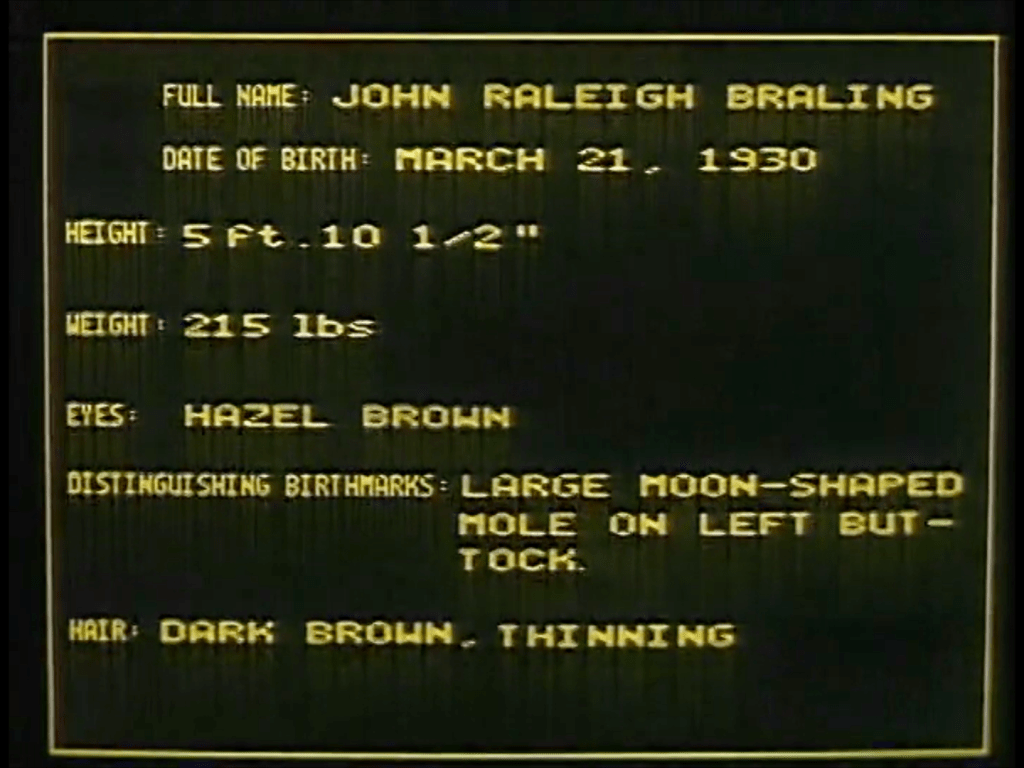
But like all these episodes, this one too affords many incidental delights. Here are some of them.


This and every other episode of THE RAY BRADBURY THEATER is available as part of a DVD box set. Despite nearly VHS-quality video, it comes with my warmest recommendation.

The great auk and Fire Island

geirfugl
Admiring the sea view with a friend on my first visit to Iceland. Late 2016, Reykjanes.

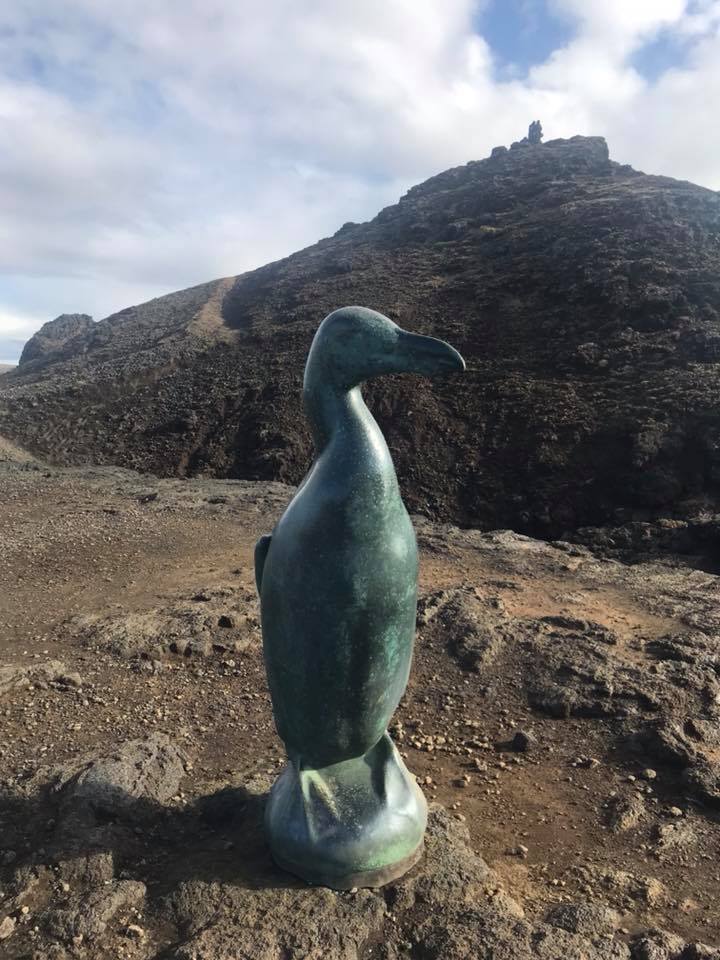
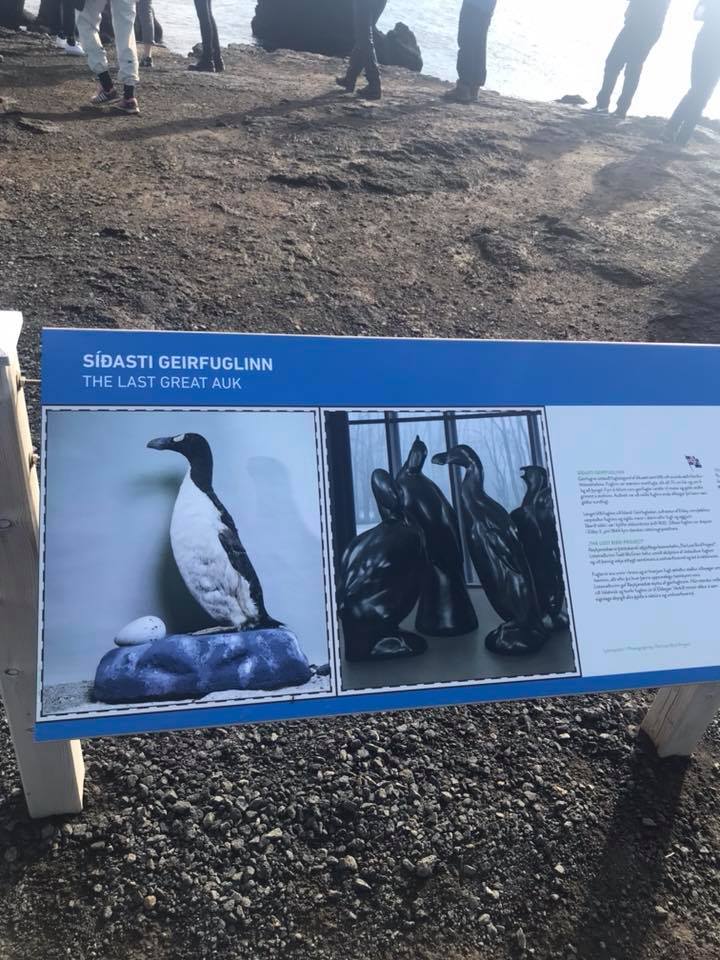
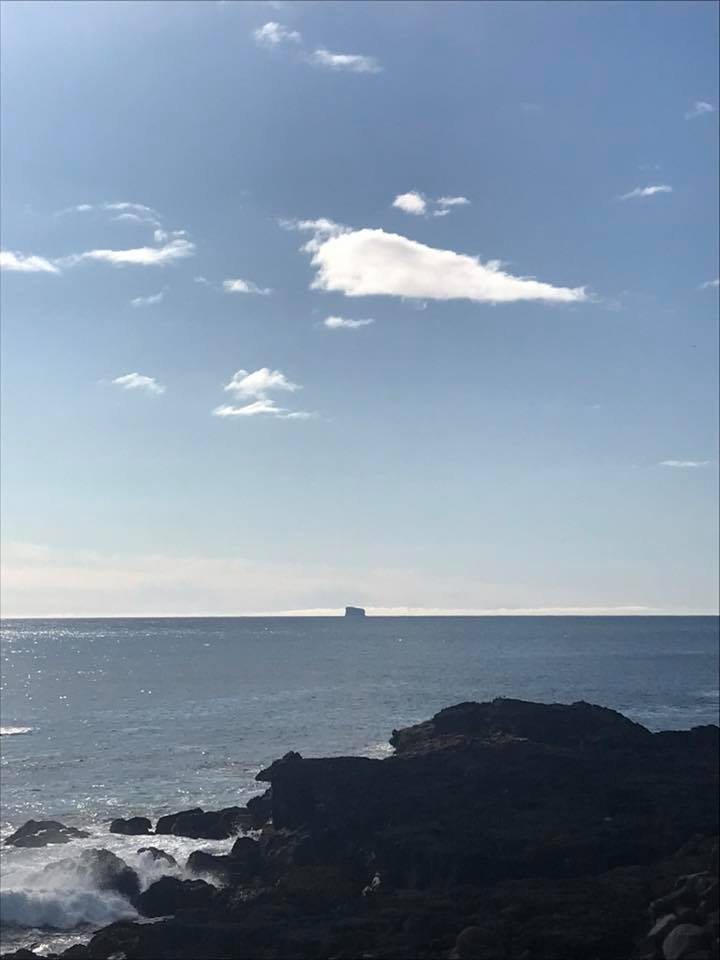
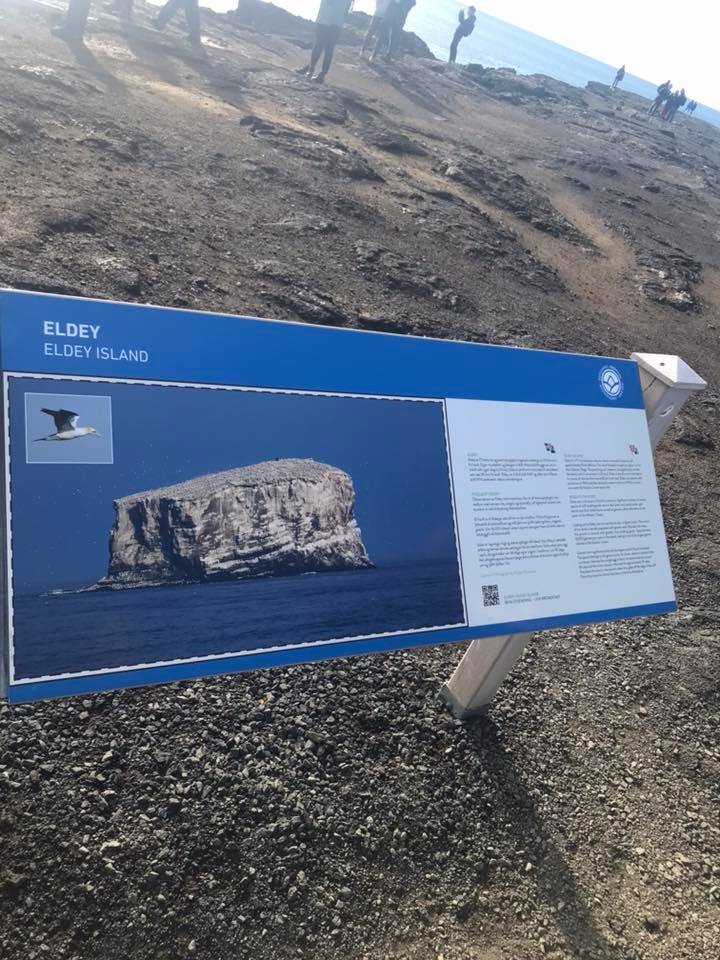
SEPTEMBER 20th 2018 — When I first visited Iceland in 2016, my hosts showed me many places, among them the southwestern tip of Iceland and of Reykjanes (“Smoky Cape”) Peninsula, a memorial site for geirfuglinn, the great auk. Eldey (“Fire Island”), where the last great auks were killed in the 19th century, can be seen 16 kilometers off the shore.

Other than the one above, I currently have no access to the photos I took at this particular place, but following my earlier post where I mentioned the great auk, Thomas Bouakache Trosborg in the Facebook group “International Students at the University of Iceland” kindly offered the photos below to share here.

42059529_10217263557329949_604291161128960000_n
The stone statue commemorating the last great auk. This and the following photos by Thomas Bouakache Trosborg.
41968591_10217263564410126_3078555072267812864_n
Iceland has documented and annotated numerous sites with durable information plaques like this.
41991406_10217263559930014_7255934208177078272_n
Eldey in the distance, to the southwest of this most southwestern point of Iceland.
42094456_10217263558489978_4156205866262986752_n
Information plaque about the fateful (for the great auk) island.

Thank you for sharing these photos, Thomas!


The remains of the last male great auk were found in Brussels in 2017, as reported by ICELAND MONITOR:

https://icelandmonitor.mbl.is/news/news/2017/08/19/the_last_male_great_auk_has_been_found/

The Settlement Exhibition, Reykjavík

Version 2
Landnámssýningin (“The Settlement Exhibition”) in downtown Reykjavík, late August 2018. The flightless bird pictured at bottom right is the great auk. The last known members of this species died in June 1844 on the island of Eldey (“Fire Island”). Cause of death? Strangulation. By Icelandic sailors.

SEPTEMBER 16th 2018 — As part of the course Inngangur að sögu Íslands (“Introduction to the History of Iceland”) by Markús Þ. Þórhallsson, we visited The Settlement Exhibition on the Friday of the first week of classes.

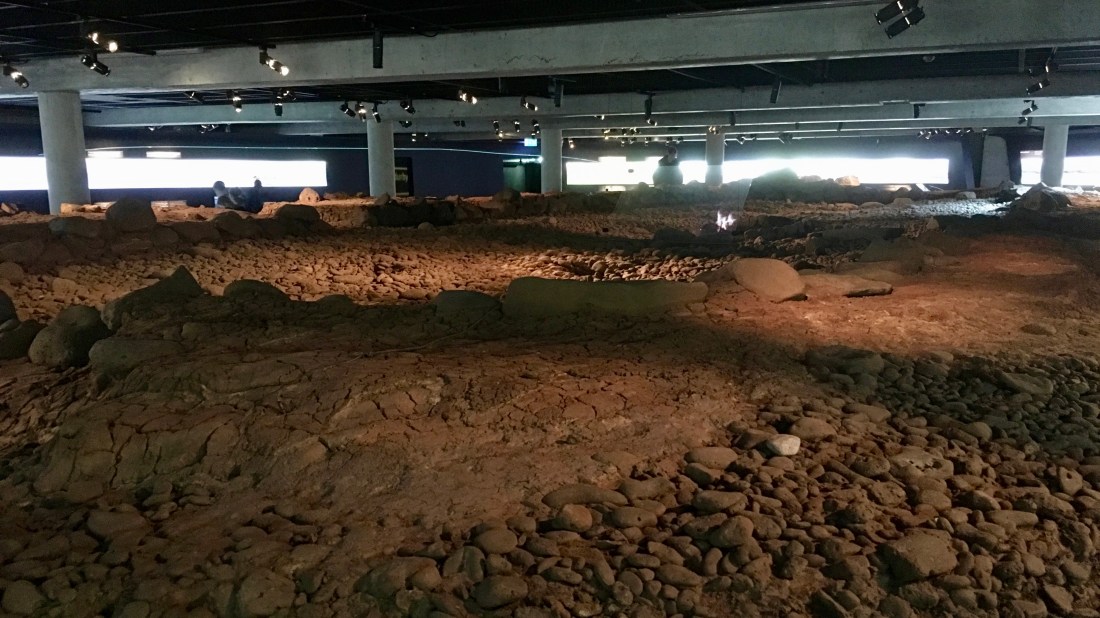
The building was constructed around the remains of a viking longhouse excavated in central Reykjavík in 2001.

Version 2
The actual longhouse. It was inhabited from about 930 to 1000, so from very close to the beginning of larger-scale settlement of Iceland. But apparently vikings were not the first to try to establish a foothold in Iceland. It seems Gaelic monks got here first — or if not first, at least before. But if I recall correctly something heard during a lecture, history does not tell us what became of them. They just kind of disappeared off the pages of history once the vikings arrived, though it is not difficult to at least theorize what happened.
Version 2
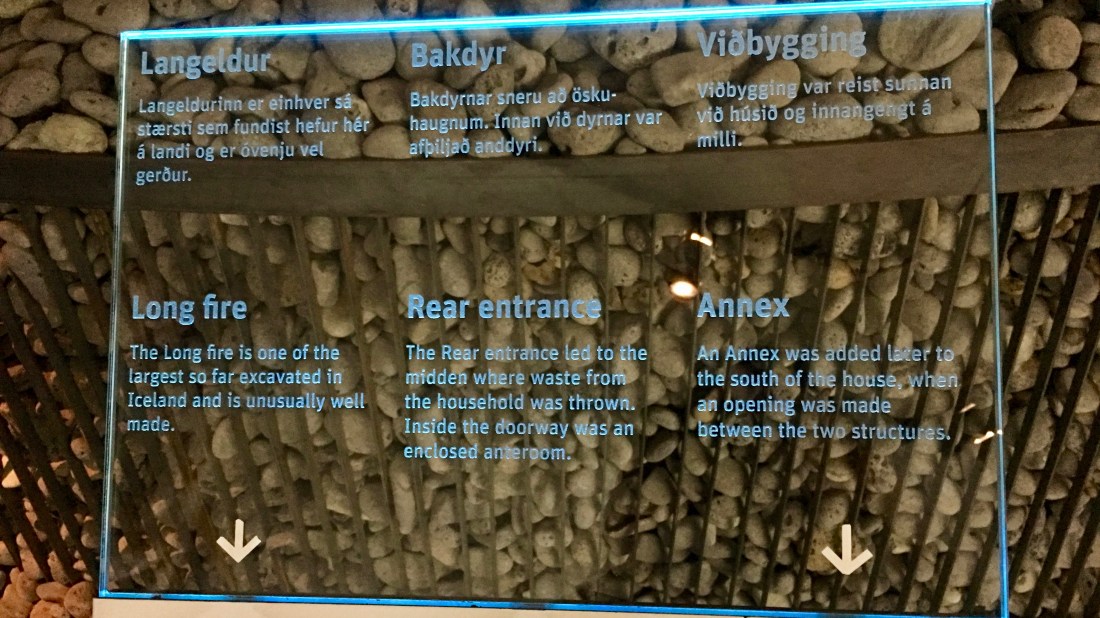
Bilingual signs. Iceland is highly bilingual with English. As more than one Icelander has pointed out to us, it can be difficult to get Icelanders to speak just Icelandic to you, since they can be eager to practice their often already considerable English skills. But it dismays me whenever I hear someone from another country fortunate enough to live here express lack of interest in learning any Icelandic. To me that is disrespectful and closed-minded.
Version 2
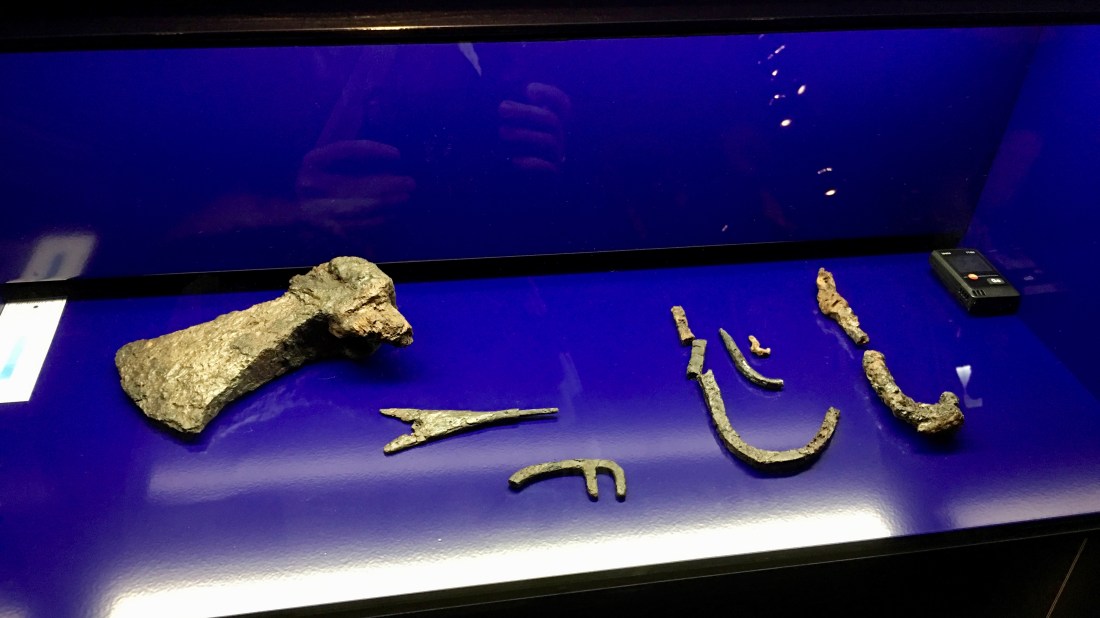
Ancient stone tools. Stone is also a widely used construction material in Iceland, often employed to impressive effect. The reason is logical: Iceland has little in the way of trees. Once there were more forested areas, but those disappeared when the wood was used up for various purposes. But even then, most likely the wooded areas comprised very low-growing birches. Hence a well-known joke here: What do you do if you get lost in an Icelandic forest? Stand up. No rotten tomatoes, please, we heard it from Icelanders themselves!
Version 2
A panoramic display running around the wall, showing the view from this place as it existed in the old days, with animated sections showing some typical activities of the times. No really old thatched cottages survive for the obvious reason that they are naturally biodegradable.
Version 2
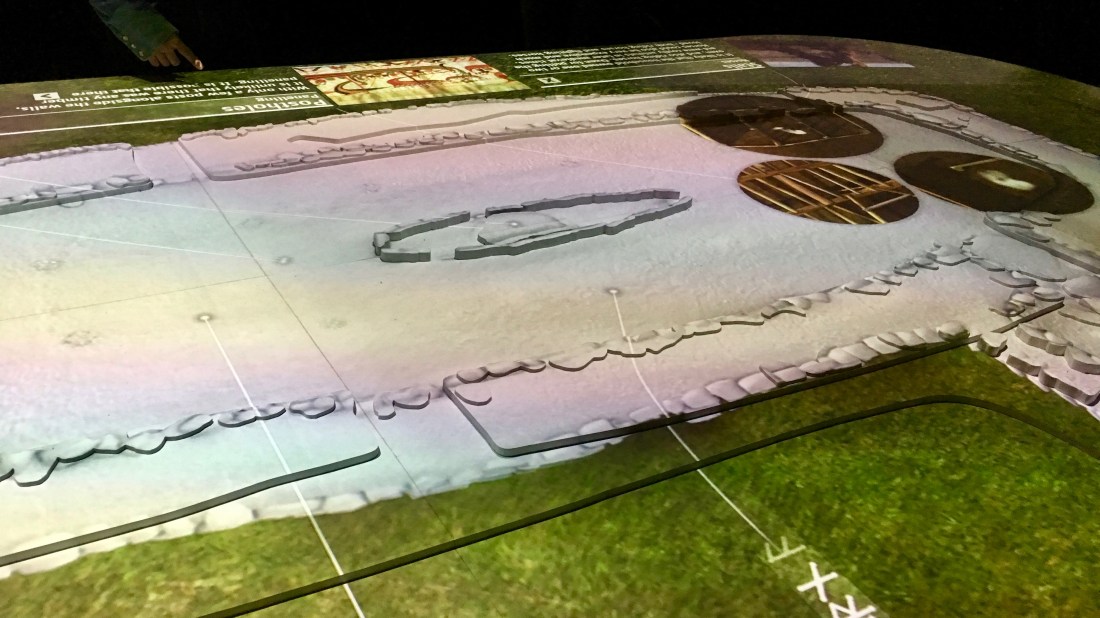
An interactive table display of the longhouse, with popup menus opened, scrolled through, and closed by hand movements above the surface of the table.

1st day of school

2
Veröld (“World”) on the University of Iceland campus. This building — “hús Vigdísar” (“house of Vigdís”) — was founded in honor of Vigdís Finnbogadóttir (“Vigdís, Finnbogi’s daughter”), the first democratically directly elected female president in the world. She was president of Iceland from 1980 to 1996. Whereas my own country of birth, Finland, was the first, in 1906, to give women full political rights, i.e. the right to vote as well as run for office. But Finland got its first female president, Tarja Halonen, only in the year 2000. She left office in 2012.

SEPTEMBER 15th 2018 — My studies in Icelandic as a Second Language at the University of Iceland started with an orientation week in the penultimate week of August 2018. The first day was beautiful and sunny, warm but not too warm.

1 (11)
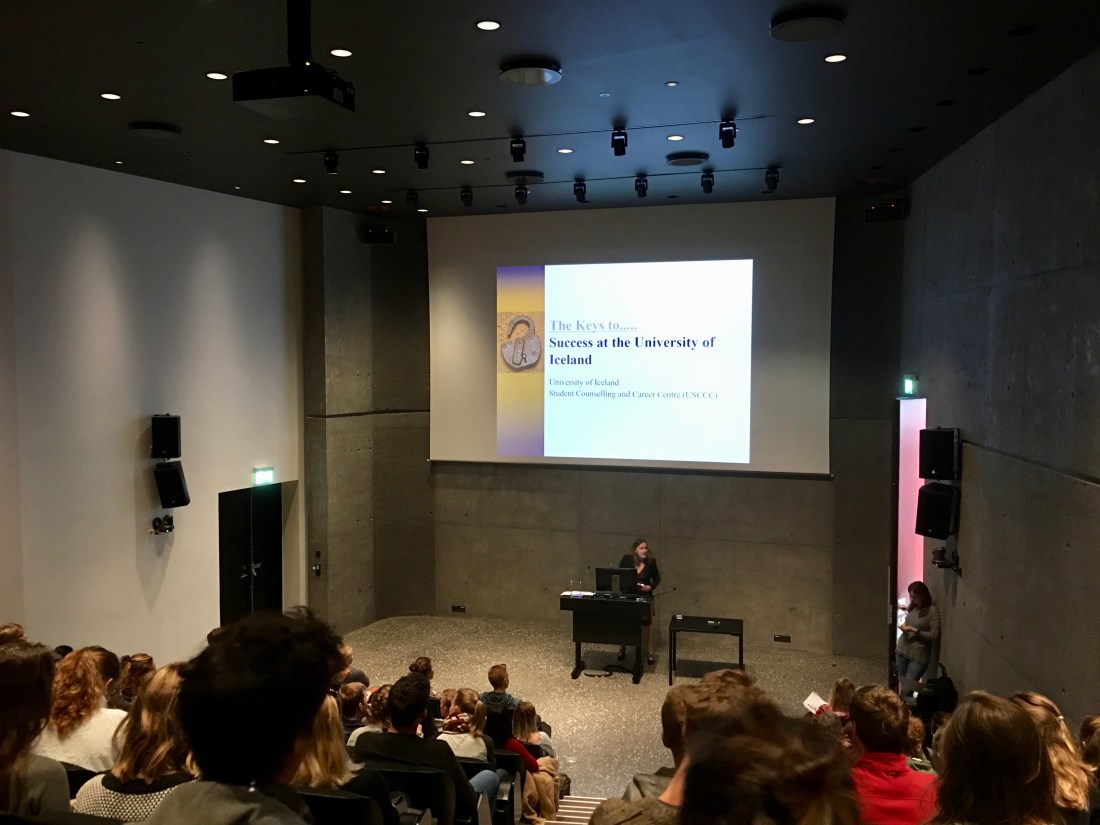
Orientation event “The Keys to Success at the University of Iceland”.

I was especially impressed by the warmth radiated by the head of the program, Professor Jón Karl Helgason (“Jón Karl, Helgi’s son”). He spoke softly and with a glint of humor, starting his introductory talk with a photo of his newborn son. He told us this was going to be our competition for the coming year — he expects us to match or exceed the progress of the young one.

This warmth is something I have rarely felt in the presence of Finnish teachers, but in Iceland it is not uncommon. Many Icelanders know how to bring warmth to a whole room, as Jón Karl did. It made the place feel welcoming and supremely safe. Whereas in Finland, in my experience, it is more common for rooms to have a constant low-level tension. It makes a huge difference.

But I don’t mean to put down Finns, who can have fine qualities of their own. And I have been fortunate enough to have studied under several exceptional ones.

3
The menu at the student canteen Háma (“Gobble”) on my first day.

During a break I found my way to the canteen, where I ate healthily: vegetable balls in curry pineapple sauce with pasta and salad, with a vitamin drink.

4
First meal at my new “home away from home”.

Other orientation week activities included a guided tour of the campus, hotdogs and soda in the open air, and of course a student party at the on-campus Stúdentakjallarinn (“The Student Cellar”) — with free bjór (beer).

As we were told during a later visit to the Settlement Museum, beer has long been important in Iceland. In the old days, no feast would have been possible without it, and feasts were very important community-strengthening events.

5
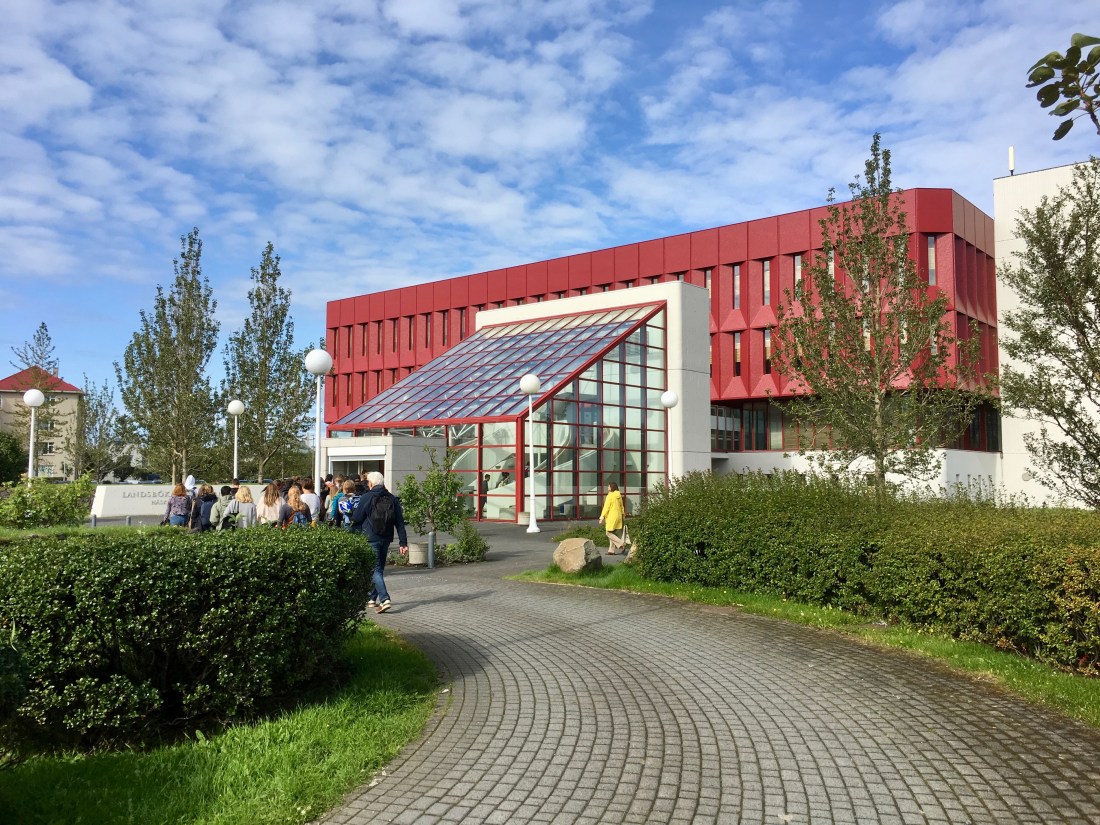
Landsbókasafn Íslands — Háskólabókasafn (“National Library of Iceland — University Library”) is the largest library in Iceland, with over a million items, including valuable manuscripts. So valuable that the library is surrounded by an actual moat. The building took 16 years to finish and opened in 1994.

I headed home in the evening to my apartment in Kópavogur (“Seal Pup Bay”), feeling it had been a good start.

6
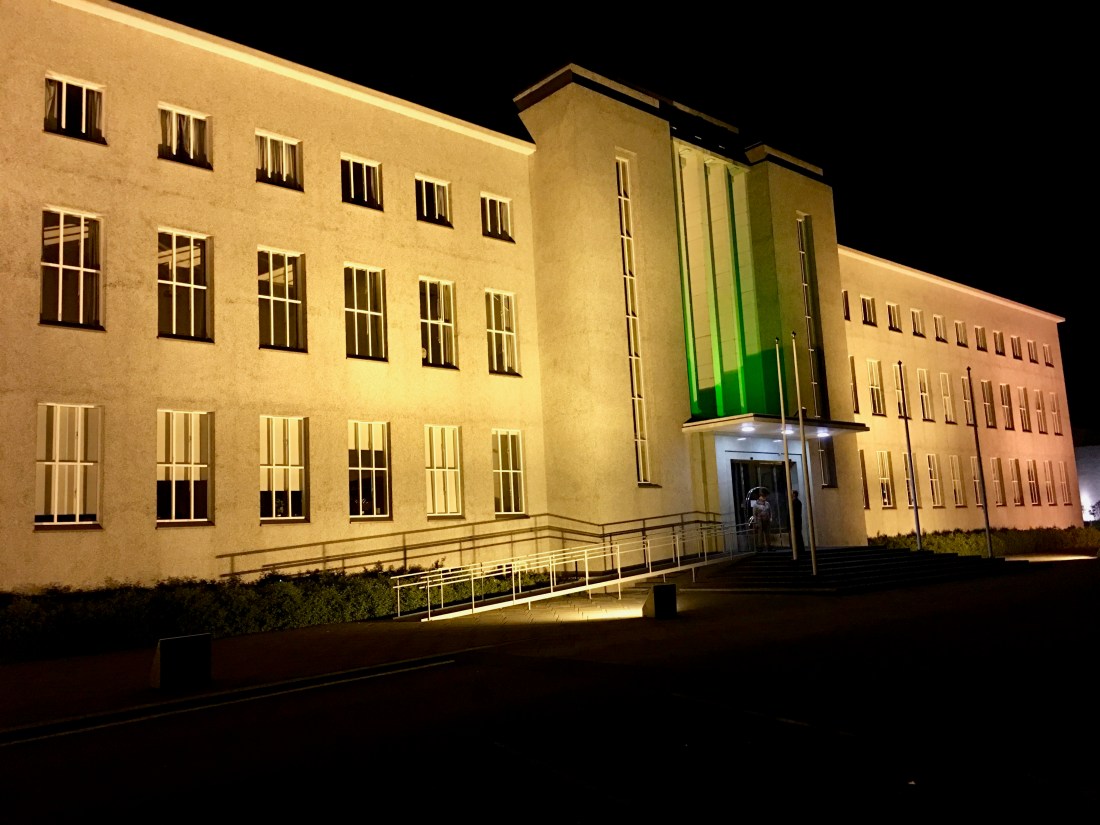
Aðalbygging (“Main Building”) at night. University of Iceland, late August 2018.

I would soon be moving much closer to the university, however. But that’s a different story.

1 (12)
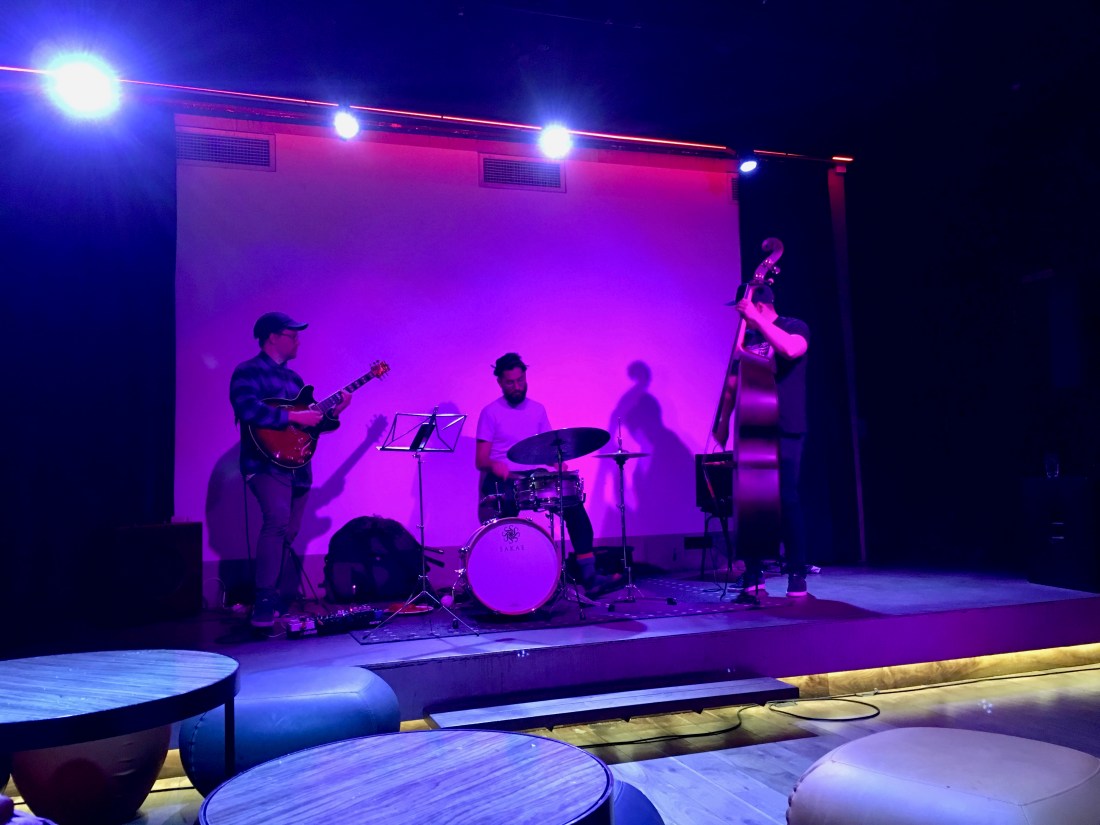
A cool jazz trio jammed at Stúdentakjallarinn at the close of the first orientation day.

“…a long, long time.”

Garibaldi drinks
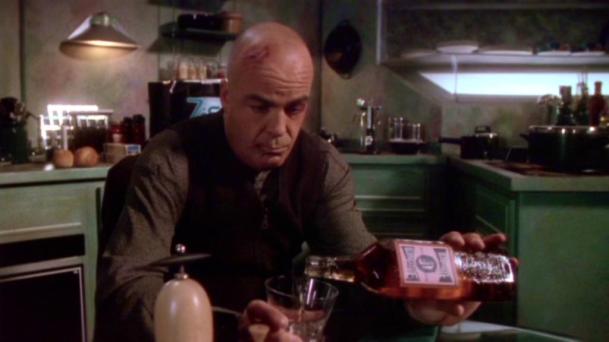
BABYLON 5: “Phoenix Rising” (1998).

SEPTEMBER 14th 2018 — Our minds work in mysterious ways. Why are we sometimes suddenly reminded of something long in the past, with no obvious trigger for that particular memory? Things just find their own time to happen.

Today for some reason I was reminded of Garibaldi’s alcoholism storyline in BABYLON 5. The actor who portrayed him, Jerry Doyle, passed away in 2016 at the age of 60.

Along with those of G’Kar (the wonderful Andreas Katsulas) and Londo (the equally wonderful Peter Jurasik), his was one of my favorite storylines in this series that for many these days seems to have fallen between the cracks between the latter-day STAR TREKs and Ron Moore’s reimagined BATTLESTAR GALACTICA, which went darker than any popular TV SF series ever.

I just think there was particularly much truthfulness and emotional resonance to Garibaldi’s story, including the story thread of his struggles with alcohol. It was introduced in the first-season episode “Survivors” — still one of the early episodes I remember liking best — and came to play a bigger part later on.

I let my complete VHS collection go many years ago and haven’t repurchased the series since, as I rewatched all of it so many times in my earlier years that I still remember most of it nearly photographically.

From “Survivors”, for example, Garibaldi’s sad, regretful, softly spoken lines about how, long in the past, after a tragic event he crawled inside a bottle and didn’t come out for a long time.

I guess characters with regrets, and the numerous ways they cope or fail to cope with them, will be around, and relatable, as long as we human beings continue to fail so spectacularly and so often at being kind to one another.

Googling some of this today, I also noticed something interesting. In a much later episode, he sings “SHOW ME THE WAY TO GO HOME”, which became one of my favorite songs long after BABYLON 5 — so I didn’t remember it had featured on the show. (More of the interesting workings of our minds.)

Specifically, I came to feel very fondly about this song after a friend posted a few years ago that scene from JAWS with the main characters singing it, badly (that’s why it’s so good), in the little boat at night. I’ve since gone back to watch it again a few times.

One of those rare songs that can bring you up when you really need it.

Pitch shifting, rhythms, & a figure

IMG_5719
Audio Damage’s Discord4 pitch-shifting delay for iOS. This company was founded in the United States in 2002.

SEPTEMBER 13th 2018 — Today I continued several long-running threads in my life:

First, learning to use more music-making apps, in this case Audio Damage’s pitch-shifting delay Discord4.

This allows for creating various effects for which I have no immediate use — but I am proceeding methodically to build a strong and wide foundation in all areas of music-making. It is good to have skills to draw upon when the need arises. This one relates for me most to the end stage of putting flourishes on otherwise pretty finished pieces.

Second, building my personal rhythmic vocabulary. In Paris last winter, I started implementing this idea when I found a notebook perfect for this purpose. Rather than horizontal or horizontal and vertical lines, its pages are marked with matrices of small crosses.

IMG_0856
This little book from Paris holds my catalogued rhythmic vocabulary so far. After noting down each new rhythmic pattern with simple Xes over the cross matrices on the pages, I transfer each pattern to three solid favorite music-making apps. I’ll be able to draw upon this treasury of inspiration and material for the rest of my life.

I had long been pondering this notion of starting to create a personal catalogue of rhythms, because I had come to realize that this is a key to much greater musical productivity in the future.

I derive these rhythms from melodies and harmonies of music as well as strictly percussive music and personal inspirations. And these rhythms can be used not only for percussive but also melodic and harmonic ends in creating new pieces.

As for the notebook, it didn’t hurt that its cover is themed in pink Tiki symbology. That made me smile. Tiki paraphernalia, so linked with 50s Americana of a certain kind, holds for me a quaint, carefree charm.

As for the figure mentioned in the title of this post, I learned yesterday that our little dark adventure game SERENA (for which I was one of the writers) has now been downloaded 1,684,328 times on Steam.

Serena logo
More than 1.6 million downloads.

It is quite mind-boggling. Over 1.6 million souls all over the world have for a myriad reasons downloaded and experienced our game. We all poured our best work possible at that time into this game — I remember the exactly two months it took us to make it from conception to release as an extremely fertile, productive, inspired time — but it is safe to say this popularity has exceeded all our expectations. It seems to have struck a chord in the hearts of many.

Let’s read THE GRAMOPHONE in Iceland: No. 2 — June 1923

IMG_5550
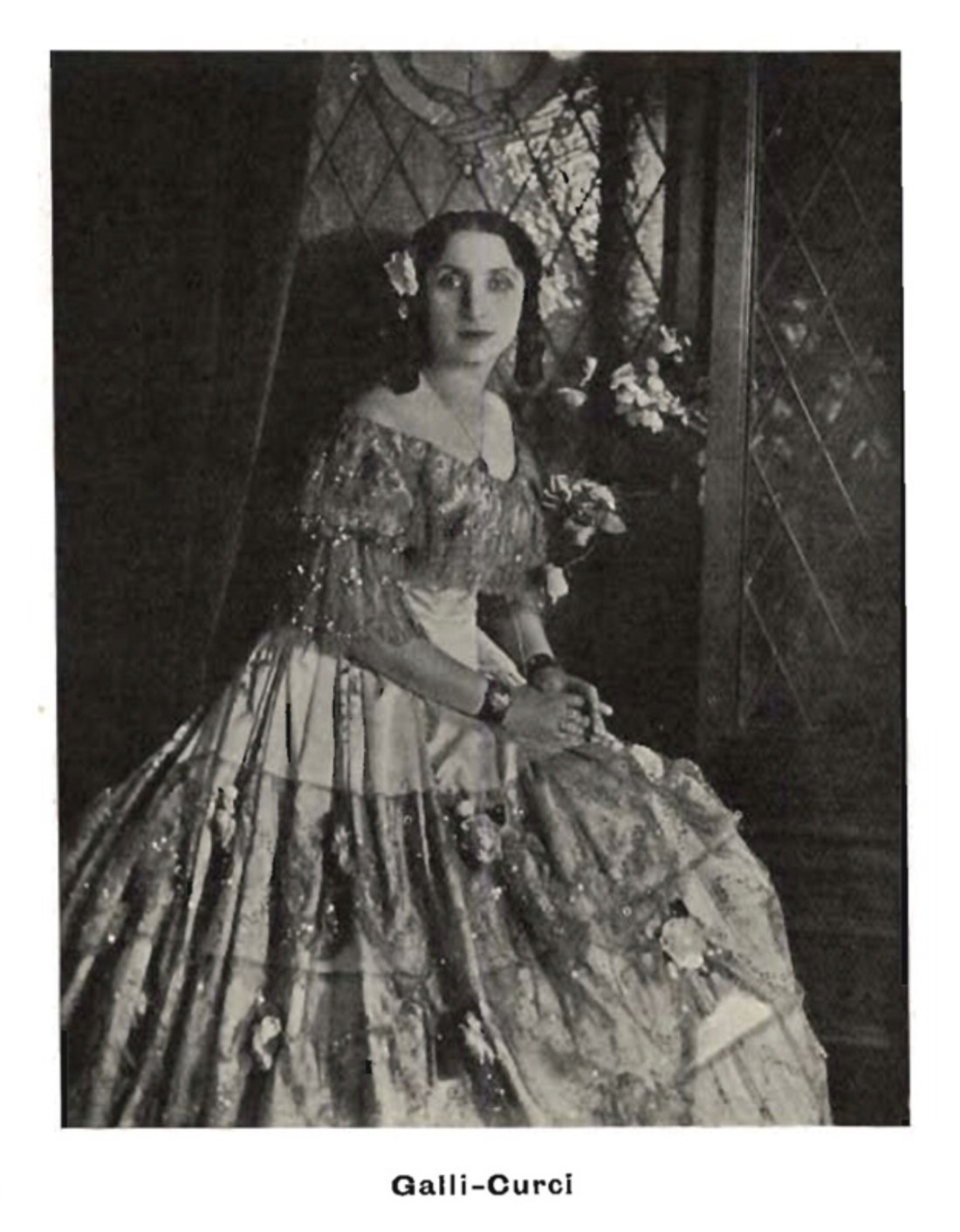
Amelita Galli-Curci, one of the most popular sopranos of her day. “Gramophone Celebrities — I. Galli-Curci”, THE GRAMOPHONE No. 2, Jun. 1923.

SEPTEMBER 12th 2018 — It would be a challenge to find something in today’s issues of THE GRAMOPHONE to make one choke upon one’s breakfast cereal, but these classic issues suffer from no such handicap. Among the morsels from the second issue:

“[…] it is no use asking canaries to sing music written for elephants.” (“Z.” discussing Wagner operas)

Musically, the following recordings mentioned and available on Spotify stand out:

  • Bach: AIR FOR G STRING played by cellist Pablo Casals. Specifically a recording made by the pre-electric acoustic process between 1916 and 1920. Casals later re-recorded this electrically.
  • Sebastián Iradier: “LA PALOMA” (“THE DOVE”) (1850s), sung by Spanish-American baritone Emilio de Gogorza. This rendition of this popular song will be mentioned numerous times in issues to come, but with this as well as most other pieces, I will note only the first mention I come across.
  • Albert Ketèlbey: “BLOW, BLOW, THOU WINTER WIND” (based on Shakespeare) sung by Norman Allin. This is not among my favorite works from this composer, but I wanted to mention it because Ketèlbey is a composer who intrigues me. His music is cinematic, like soundtrack music of several decades later. I will note his other, more alluring works in installments to come.
  • Two spirituals sung by Roland Hayes: “STEAL AWAY” (arranged by Lawrence Brown) and “GO DOWN, MOSES” (arr. Harry Burleigh). I find that some of these early recordings of spirituals still communicate powerfully and directly across all these years. Compared to that directness of emotion and composition, most “white” music from this era seems feeble and insincere. One doesn’t need to be devotedly religious to appreciate these qualities. This music inspired and its power flowed into the works of Bob Dylan and many other later composers and musicians.

A Swiss musician called Edmond Roethlisberger is quoted on Bach’s harpsichord music:

“Would you know Bach at his most intimate, his most original, it is in his harpsichord compositions that he is to be found… He wrote for it from his earliest youth until his death and confided to it many of those almost supernatural inspirations which hypnotize us as if messages from a Beyond to which he alone could penetrate.” (pp. 36–37)

IMG_5527
Portrait of the author from the article “The Harpsichord and Gramophone”.

The author of the article in which this quote appears, harpsichordist Violet Gordon-Woodhouse makes an interesting observation:

“It must […] be remembered that in Bach’s and Mozart’s time the harpsichord always figured in the orchestra. Conductors used it much more than the baton. Its quality of tone enabled it to accompany without smothering the principal instruments and blend with the strings as no piano can.”

In another article another writer muses on the proper times and situations for a Brit to listen to the gramophone:

“Again, to show how ridiculous our inhibitions are, let me ask what you would say if, on visiting a lady or gentleman, you found her or him solitary, listening to the music of his own gramophone. You would think it odd, would you not? You would endeavor to dissemble your surprise; you would look twice to see whether some other person were not hidden in some corner of the room, and if you found no such one, would painfully blush, as if you had discovered your friend sniffing cocaine, emptying a bottle of whisky, or plaiting straws in his hair.” (Orlo Williams, “Times and Seasons”, p. 38)

An anonymous writer starts an article on “New Dance Records” thus:

“It was, I believe, a late Shah of Persia, who, when taken to the opera in order that he might be impressed by Western music, expressed preference for the ‘tuning up’ of the orchestra, and desired that it might be repeated.” (p. 40)

The article also tells us that the popular music of the day (1923) was already occasionally quoting classical music.


Spotify playlist for this entry, “Let’s read THE GRAMOPHONE in Iceland: No. 2 — June 1923”:

This issue is available as part of the magazine’s digital archive, which every subscriber (a month or a year, digital or print+digital) gets access to.

Earlier entry in this series:
Let’s read THE GRAMOPHONE in Iceland: No. 1 — April 1923
Dream

1 (7)
From May 2018.

SEPTEMBER 11th 2018 — Last night I had maybe the saddest dream I remember having.

There was an unusual humanlike creature whose head was covered all over in fabric, a bit like a scarecrow’s head but with looser cloth. He could talk and he was kind and gentle.

Accidentally someone else we were with in the dream fell on him so that this other person’s elbow landed on the creature’s head. He went quiet though he was still moving a bit, but we were shocked and asked if he was okay.

He didn’t answer directly, just moved his head under the cloth a bit. I imagined what terrible injury must have happened and in a way it was worse because it could not be seen, only imagined. We had never even seen his real face under the fabric.

Then he asked to be taken out onto the ice, a frozen lake outside. We knew he was dying and he knew it. It was a terrible accident and not the other person’s fault, but it was too late to be helped.

I woke up and in the same moment burst into tears.

Like Jung pointed out, everything that happens in dreams is a psychological reality. The experience of a dream is real and has real effects. Same with stories.

And when something affects us deeply, there is always an inner reason.